
Introduction: The AI Revolution Taking Fligh
If you've been following the aviation industry lately, you've probably heard the buzz about artificial intelligence. And honestly? It's not just hype. The way we fly, maintain our aircraft, and manage air traffic is fundamentally changing thanks to AI technology.
 |
| AI Generation in Aviation |
In 2026, we're witnessing something truly remarkable: machines are becoming our co-pilots in making aviation safer, more efficient, and more sustainable than ever before.
 |
| The AI Revolution Taking Flight |
What really fascinates me is how quietly this transformation is happening. Most passengers don't realize that the flight they took last week was optimized by machine learning algorithms, or that the aircraft they flew had already detected and prevented multiple potential issues before they ever stepped on board. Let's dive deeper into what's actually happening in the cockpits, maintenance hangars, and air traffic control centers of the world.
How Predictive Maintenance is Saving Airlines Millions
Here's something that blew my mind: did you know that you can predict when an aircraft engine will fail weeks in advance? That's exactly what predictive maintenance systems powered by AI are doing right now.
Traditional maintenance used to follow a rigid schedule – you'd service an aircraft every few hundred hours of flight time, whether it needed it or not. But AI changed the game completely. Today's smart sensors and machine learning algorithms monitor thousands of data points in real-time: engine temperature, vibration levels, fuel consumption patterns, and dozens of other parameters. When something starts to deviate from normal, the AI catches it immediately.
.png)
Smart Maintenance: Modern cockpits equipped with AI monitoring systems that continuously track aircraft health and performance metrics
The numbers speak for themselves. Airlines like Delta and United have reported reducing their unscheduled maintenance costs by up to 40% by implementing AI predictive systems. Think about that - that's massive savings! And more importantly, fewer flights get cancelled due to mechanical issues, so you're more likely to arrive on time.
Flying Smarter Routes: How AI Cuts Fuel Costs and Saves the Planet
Ever wonder why sometimes your flight path seems to take a detour? Well, it might actually be the most efficient route possible thanks to artificial intelligence. Let me explain how this works, because it's genuinely fascinating.
When a pilot files a flight plan today, it's not just based on direct point-to-point distance anymore. Modern AI optimization software considers weather patterns, jet streams, air traffic congestion, runway conditions, even fuel prices. The system calculates thousands of possible routes and identifies the one that saves the most fuel while keeping you safe and on schedule.
.png)
Optimal Routes: AI calculates the most fuel-efficient flight paths considering weather, traffic, and real-time conditions
What's remarkable is how quickly these savings add up. Airlines using AI route optimization report fuel savings of 5-10% per flight. For a major carrier operating hundreds of daily flights, that's billions of dollars annually. Plus, less fuel burned means significantly fewer carbon emissions - a win for the environment!
Making Flying Safer: AI is Your Silent Guardian in the Sky
Let me ask you something: what matters most when you're flying? For most of us, it's safety, right? Well, here's the really comforting news - AI is working behind the scenes 24/7 to make sure you get to your destination safely.
Modern aircraft are equipped with sophisticated sensors and AI systems that monitor everything constantly. These intelligent systems can detect potential problems that might be completely invisible to the human eye. Think about it - there are thousands of parameters being tracked simultaneously: engine performance, structural stresses, weather conditions, nearby traffic, even the tiniest vibrations in critical components.
What makes this truly impressive is the speed at which AI can respond. A threat that might take a human hours to recognize, an AI system identifies in milliseconds. This isn't about replacing pilots - it's about giving them a capable co-pilot that never gets tired and never misses a detail.
.png)
Continuous Monitoring: AI-powered sensors track aircraft health 24/7, detecting problems before they become dangerous
The proof? Aviation has never been safer. Over the last fifteen years, the accident rate has decreased by an astounding 66%. AI technology plays a major role in this improvement. When you step on a plane, you're safer than you've ever been in the history of aviation.
Smarter Airports: How AI Untangles Air Traffic Chaos
If you've ever sat in a plane circling an airport or experienced a delay, you know how frustrating it can be. What most people don't realize is that air traffic management is mind-bogglingly complex. At any given moment, there are thousands of aircraft in the sky, each one following strict rules about where it can fly, when it can land, and how it should coordinate with others.
This is where AI becomes absolutely invaluable. Modern air traffic control systems powered by artificial intelligence can process information from hundreds of flights simultaneously, optimizing their paths in real-time to minimize congestion and delays. The system learns from patterns, predicts bottlenecks before they happen, and suggests the most efficient sequence for takeoffs and landings.
Think of it like a really sophisticated chess game where AI is moving hundreds of pieces simultaneously, always thinking several moves ahead. The FAA and similar organizations worldwide are investing billions in NextGen and SESAR programs specifically to bring AI-powered traffic management to every major airport globally.
The Future of Flight: Are We Ready for Autonomous Aircraft?
This is probably the question everyone wants to ask: are we heading toward fully autonomous aircraft? The honest answer is: it's coming, but slowly and carefully.
Currently, we're in a fascinating middle ground. Modern aircraft already have incredibly sophisticated autopilot systems, and many routine tasks during flight are already handled by computers working with AI algorithms. Takeoff, cruise, and landing can be managed with minimal human intervention. What we're working toward is the gradual expansion of what AI can safely handle without human oversight.
The key word here is "safely." Before we ever see a completely autonomous commercial airliner, we need absolute certainty that it can handle every possible scenario - and that's a very high bar. But don't be surprised if within the next decade you see more flights where the AI is doing the heavy lifting while pilots act more as supervisors and emergency responders.
Companies like Airbus and Boeing are conducting extensive research, and they're taking their time because, well, your safety is infinitely more important than speed.
.png)
Future of Flight: Autonomous flight systems working in partnership with pilots for safer and more efficient operations
Communication Without Mistakes: Breaking Down Language Barriers in Aviation
Did you know that many near-misses between aircraft have been caused by miscommunication between pilots and air traffic controllers? With pilots and controllers from different countries, different native languages, and different accents, there's definitely room for confusion.
This is where Natural Language Processing - a special kind of AI that understands human language - is making a real difference. These systems can detect when someone says something ambiguous or non-standard, and they can provide real-time translations and clarifications. The international aviation body, ICAO, mandates English for all aviation communication, but for pilots whose first language isn't English, this can be challenging.
AI systems are now being tested at major airports to monitor pilot-controller communications, flag potential misunderstandings, and even provide real-time help. It's another example of how AI isn't replacing humans - it's helping them communicate better.
Your Experience Gets Smarter: Personalized Travel Like Never Before
Beyond the cockpit and control tower, AI is also working hard to make your travel experience better. Airlines are using machine learning to personalize almost everything about your journey.
When you book a flight, AI algorithms analyze your preferences, your previous bookings, your loyalty status, and thousands of other data points to suggest exactly what you want before you even know you want it. Maybe it's seat selection, meal preferences, or connecting flight recommendations. Maybe it's notifying you about flight status changes or offering you alternatives if your flight gets delayed.
Major carriers like Singapore Airlines, Qatar Airways, and American Airlines have deployed comprehensive AI-powered customer service systems that handle thousands of inquiries daily. These aren't just chatbots - they're increasingly sophisticated systems that understand context, your travel history, and can genuinely help solve your problems.

Smart Experience: AI personalizes your travel journey from booking to arrival with customized recommendations
The Logistics Behind the Scenes: Smart Supply Chains
Here's something most passengers never think about: how does an airline make sure every single aircraft has all the parts it needs, when it needs them? Welcome to the world of AI-powered supply chain management.
Traditional inventory management meant airlines would stock huge quantities of spare parts "just in case." But predictive maintenance AI has changed this completely. Now, machine learning algorithms predict which components will likely fail in the coming weeks, and automatically trigger orders for replacements. This means fewer warehouses full of parts taking up expensive space, and more accurate inventory that's exactly what's needed.
Major airlines have reported reducing parts inventory costs by 15-20% while simultaneously improving their ability to keep aircraft flying and on schedule. It's a win-win situation powered by artificial intelligence understanding patterns that humans would take years to identify.
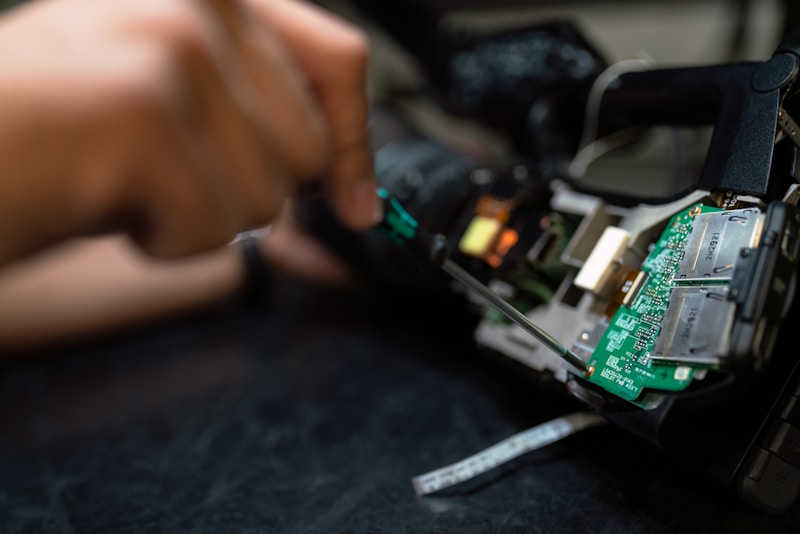
Smart Logistics: Predictive AI optimizes spare parts inventory and supply chain for maximum efficiency
Keeping Everything Secure: AI Guards the Gates
With so much of aviation now dependent on digital systems, cybersecurity becomes absolutely critical. And guess what? AI is also protecting aviation from cyber threats.
Advanced AI security systems monitor aviation networks 24/7, watching for suspicious activities and potential breaches. These systems learn what normal traffic looks like and immediately alert authorities when something unusual happens. It's like having the world's most alert security guard who never gets tired and never misses anything.
As aviation becomes increasingly digital, this protection becomes more important than ever. The FAA and international aviation bodies are working with AI security specialists to ensure that cyber attacks don't compromise flight safety or passenger data.
.png)
Secure Networks: AI-powered cybersecurity systems monitor and protect critical aviation infrastructure 24/7
The Real Challenges: Not Everything is Simple
Now, I don't want to paint a picture that's all sunshine and rainbows. There are real challenges that the aviation industry faces as it integrates AI into its operations.
First, there's the certification and regulatory hurdle. Before any AI system can control even a small part of aircraft operations, it needs to be thoroughly tested and approved by aviation authorities. This is actually a good thing - it means we're being very careful - but it does slow down innovation.
Then there's the training challenge. Pilots, mechanics, and air traffic controllers all need to learn how to work with these new AI systems. It's not just about understanding the technology; it's about building trust in systems that make decisions in ways that aren't always transparent or easy to explain.
There's also the cost factor. Implementing AI systems requires significant investment in hardware, software, and training. Smaller airlines might struggle to afford these upgrades, which could create a disparity in the industry.
And finally, there are the ethical and security questions. How do we ensure that AI systems make fair decisions? How do we protect against malicious actors trying to hack these critical systems? These are questions the industry is actively working through.
Looking Ahead: The Aviation Industry in 2026 and Beyond
So here's what really excites me about aviation in 2026. We're not talking about distant science fiction anymore. AI is actively reshaping how the aviation industry operates right now, today.
We're seeing measurable improvements: flights that are safer, more efficient, more on-time, and more affordable. We're seeing airlines reduce costs and environmental impact simultaneously. We're seeing better experiences for passengers and better working conditions for crew members.
But here's the thing that really matters: underneath all of this innovation, human expertise and judgment remain absolutely central. AI isn't replacing pilots, mechanics, or air traffic controllers. It's making them more effective, more informed, and less burdened by routine tasks.
The pilots I've talked to aren't worried about being replaced - they're excited about flying aircraft that are smarter and more capable. The mechanics appreciate systems that tell them exactly what to fix before something breaks. The air traffic controllers value systems that help them manage increasingly busy skies safely.
.png)
The Future of Aviation: AI technology ensuring safer, smarter, and more sustainable flight for everyone
As we move forward, the aviation industry will continue investing in AI because the benefits are simply too significant to ignore. Safer flights, more efficient operations, better environmental outcomes, and improved passenger experiences - those aren't just nice-to-haves, they're essential for the industry to meet the challenges of the future.
The next time you're on a plane, take a moment to think about all the artificial intelligence working behind the scenes to keep you safe and get you to your destination on time. From the moment you book your ticket to the moment you land, AI is working for you - quietly, tirelessly, and incredibly effectively.
That's the real revolution taking flight. And honestly? It's just getting started.
Post a Comment
Thanks for your feedback.. keep reading on NewKidaa Blog